Buy ehescheidung.eu ?
We are moving the project
ehescheidung.eu .
Are you interested in purchasing the domain
ehescheidung.eu ?
domain@kv-gmbh.de · 0541-91531010
Buy ehescheidung.eu ?
What are demonstrative pronouns and relative pronouns?
Demonstrative pronouns are pronouns that are used to point to specific things or people. Examples of demonstrative pronouns include "this," "that," "these," and "those." Relative pronouns are pronouns that introduce dependent clauses and connect them to independent clauses. Examples of relative pronouns include "who," "whom," "whose," "which," and "that." **
Why are demonstrative pronouns called demonstrative pronouns?
Demonstrative pronouns are called demonstrative because they demonstrate or point to a specific noun or pronoun in a sentence. They help to indicate the position or location of the noun or pronoun in relation to the speaker or listener. By using demonstrative pronouns such as "this," "that," "these," and "those," speakers can make their communication more precise and clear by specifying which person, place, thing, or idea they are referring to. **


Similar search terms for Pronouns
Top-Angebote
Products related to Pronouns:
-
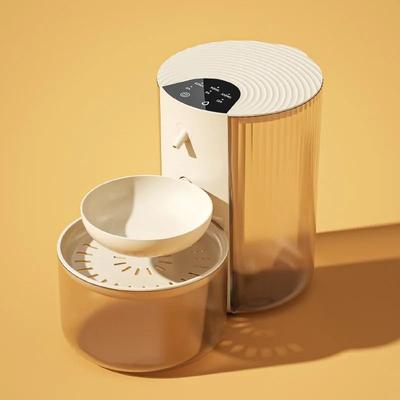
Uplifted Finds Dual Reservoir Smart Separation Fountain whiteRevolutionize your pets hydration with the Smart Separation Fountain, a highperformance system engineered with hygienicpartition logic. Unlike standard fountains that recirculate filtered water back into the main tank, this advanced unit utilizes a...382,97 $*Shipping: 0,00 $Secure redirect to the provider
-
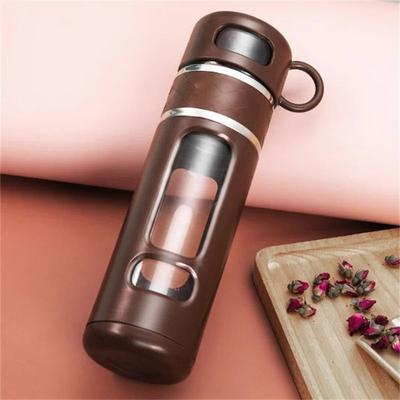
Uplift Essentials 520ML Tea Water Separation Glass Bottle brownExperience the perfect brew anywhere with this 520ML tea water bottle, featuring an innovative tea water separation design. This high borosilicate glass vessel includes an integrated tea filter, allowing you to control the strength of your steep...64,97 $*Shipping: 0,00 $Secure redirect to the provider
-
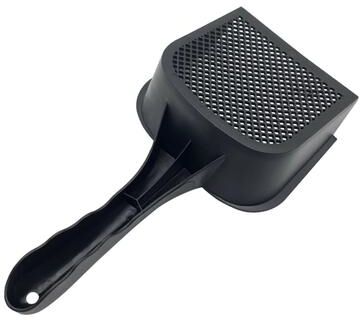
Uplift Picks Washable Hollow Cat Litter Scoop For Cleaner Faster Pet Waste Separation Washable Hollow Cat Litter Scoop For Cleaner Faster Pet Waste SeparationMake litter box cleanup quicker, cleaner, and easier to handle. This cat litter scoop features a hollow sifting design that helps separate clean litter from waste with less effort. Its thickened plastic build is made for routine bathroom and litter...63,48 $*Shipping: 0,00 $Secure redirect to the provider
-
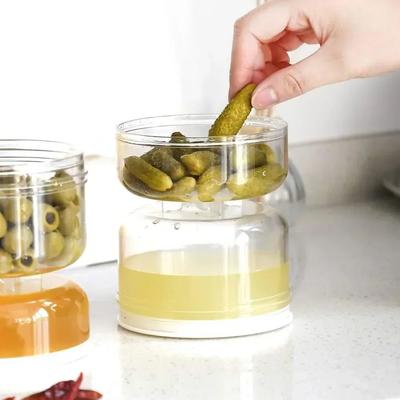
Inspire Curations Flip & Drain Pickle Jar With Strainer Hourglass Wet & Dry Separation Container Flip & Drain Pickle Jar With Strainer Hourglass Wet & Dry Separation ContainerNo more fishing for pickles in messy brine. This cleverly designed pickle jar with strainer lets you flip, drain, and serve without spills or sticky fingers. Designed for pickle lovers, olive fans, and anyone who enjoys marinated foods, this smart...113,95 $*Shipping: 0,00 $Secure redirect to the provider

-
With which pronouns do many people confuse reflexive pronouns?
Many people confuse reflexive pronouns with personal pronouns. For example, they may use "myself" or "yourself" instead of "me" or "you" in a sentence. This confusion often occurs when people are trying to emphasize the subject of the sentence, but they mistakenly use a reflexive pronoun instead of a personal pronoun. It's important to understand the difference between reflexive and personal pronouns in order to use them correctly in sentences. **
-
What are pronouns?
Pronouns are words that are used in place of nouns to avoid repetition in a sentence. They can refer to people, places, things, or ideas. Pronouns help make sentences clearer and more concise by replacing specific nouns with general words like "he," "she," "it," "they," and "we." Using pronouns also helps to maintain the flow of writing and make it more engaging for the reader. **
-
Can you help me with personal pronouns and possessive pronouns?
Certainly! Personal pronouns are used to replace nouns in a sentence, such as "I", "you", "he", "she", "it", "we", and "they". Possessive pronouns show ownership or possession, such as "mine", "yours", "his", "hers", "ours", and "theirs". If you need help understanding how to use these pronouns in a sentence or identifying which pronoun to use in a specific context, feel free to ask for more guidance. **
-
What is the difference between relative pronouns and interrogative pronouns?
Relative pronouns are used to connect a dependent clause to an independent clause, providing more information about a noun in the independent clause. They include words like "who," "which," and "that." Interrogative pronouns, on the other hand, are used to ask questions and gather information. They include words like "who," "what," "which," "whom," and "whose." The main difference between the two is their function in a sentence - relative pronouns connect clauses, while interrogative pronouns are used to ask questions. **
What is the difference between personal pronouns and reflexive pronouns?
Personal pronouns are used to refer to people or things, such as "I," "you," "he," "she," "it," "we," and "they." Reflexive pronouns, on the other hand, are used when the subject and object of a sentence are the same person or thing, such as "myself," "yourself," "himself," "herself," "itself," "ourselves," and "themselves." Reflexive pronouns are used to reflect the action back onto the subject, while personal pronouns simply refer to the subject or object. **
Which pronouns do many people often confuse with reflexive pronouns?
Many people often confuse reflexive pronouns with intensive pronouns. Intensive pronouns are used to emphasize a preceding noun or pronoun, while reflexive pronouns are used when the subject and object of a sentence are the same. For example, "I myself will do it" uses an intensive pronoun, while "I hurt myself" uses a reflexive pronoun. It is important to understand the distinction between these two types of pronouns to use them correctly in sentences. **
Top-Angebote
Products related to Pronouns:
-
Uplift Essentials Fuel Line & Pipe Separation Pliers Fuel Line & Pipe Separation PliersWhen you are performing routine maintenance on a modern vehicle, reaching for a standard pair of pliers can often lead to cracked plastic connectors or torn fuel lines. These professional pipe separation pliers are a specialized precision tool,...57,97 $*Shipping: 0,00 $Secure redirect to the provider
-
Uplift Essentials Hourglass Pickles Jar With Strainer Lid & Olive Separation Container Hourglass Pickles Jar With Strainer Lid & Olive Separation ContainerElevate your snack storage and eliminate messy juice drips from your favorite brined foods with an innovative kitchen upgrade. This premium pickles jar with lids strainer features a dualchamber hourglass architecture that isolates liquids from...64,97 $*Shipping: 0,00 $Secure redirect to the provider
-
Uplifted Finds Dual Reservoir Smart Separation Fountain whiteRevolutionize your pets hydration with the Smart Separation Fountain, a highperformance system engineered with hygienicpartition logic. Unlike standard fountains that recirculate filtered water back into the main tank, this advanced unit utilizes a...382,97 $*Shipping: 0,00 $Secure redirect to the provider
-
Uplift Essentials 520ML Tea Water Separation Glass Bottle brownExperience the perfect brew anywhere with this 520ML tea water bottle, featuring an innovative tea water separation design. This high borosilicate glass vessel includes an integrated tea filter, allowing you to control the strength of your steep...64,97 $*Shipping: 0,00 $Secure redirect to the provider
-
What are demonstrative pronouns and relative pronouns?
Demonstrative pronouns are pronouns that are used to point to specific things or people. Examples of demonstrative pronouns include "this," "that," "these," and "those." Relative pronouns are pronouns that introduce dependent clauses and connect them to independent clauses. Examples of relative pronouns include "who," "whom," "whose," "which," and "that." **
-
Why are demonstrative pronouns called demonstrative pronouns?
Demonstrative pronouns are called demonstrative because they demonstrate or point to a specific noun or pronoun in a sentence. They help to indicate the position or location of the noun or pronoun in relation to the speaker or listener. By using demonstrative pronouns such as "this," "that," "these," and "those," speakers can make their communication more precise and clear by specifying which person, place, thing, or idea they are referring to. **
-
With which pronouns do many people confuse reflexive pronouns?
Many people confuse reflexive pronouns with personal pronouns. For example, they may use "myself" or "yourself" instead of "me" or "you" in a sentence. This confusion often occurs when people are trying to emphasize the subject of the sentence, but they mistakenly use a reflexive pronoun instead of a personal pronoun. It's important to understand the difference between reflexive and personal pronouns in order to use them correctly in sentences. **
-
What are pronouns?
Pronouns are words that are used in place of nouns to avoid repetition in a sentence. They can refer to people, places, things, or ideas. Pronouns help make sentences clearer and more concise by replacing specific nouns with general words like "he," "she," "it," "they," and "we." Using pronouns also helps to maintain the flow of writing and make it more engaging for the reader. **
Similar search terms for Pronouns
-
Uplift Picks Washable Hollow Cat Litter Scoop For Cleaner Faster Pet Waste Separation Washable Hollow Cat Litter Scoop For Cleaner Faster Pet Waste SeparationMake litter box cleanup quicker, cleaner, and easier to handle. This cat litter scoop features a hollow sifting design that helps separate clean litter from waste with less effort. Its thickened plastic build is made for routine bathroom and litter...63,48 $*Shipping: 0,00 $Secure redirect to the provider
-
Inspire Curations Flip & Drain Pickle Jar With Strainer Hourglass Wet & Dry Separation Container Flip & Drain Pickle Jar With Strainer Hourglass Wet & Dry Separation ContainerNo more fishing for pickles in messy brine. This cleverly designed pickle jar with strainer lets you flip, drain, and serve without spills or sticky fingers. Designed for pickle lovers, olive fans, and anyone who enjoys marinated foods, this smart...113,95 $*Shipping: 0,00 $Secure redirect to the provider
-
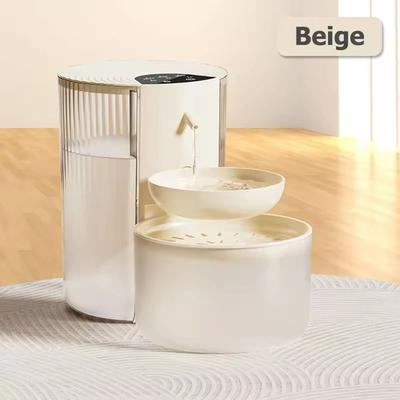
Uplift Essentials 3L Intelligent Clean & Dirty Separation Pet Fountain beigeRevolutionize your pet's hydration with the Intelligent Clean & Dirty Separation Fountain, a professionalgrade solution designed to ensure every sip is as pure as the first. Unlike traditional fountains that recirculate hairfilled water, this...201,97 $*Shipping: 0,00 $Secure redirect to the provider
-
Uplifted Finds Dual Reservoir Smart Separation Fountain beigeRevolutionize your pets hydration with the Smart Separation Fountain, a highperformance system engineered with hygienicpartition logic. Unlike standard fountains that recirculate filtered water back into the main tank, this advanced unit utilizes a...382,97 $*Shipping: 0,00 $Secure redirect to the provider
-
Can you help me with personal pronouns and possessive pronouns?
Certainly! Personal pronouns are used to replace nouns in a sentence, such as "I", "you", "he", "she", "it", "we", and "they". Possessive pronouns show ownership or possession, such as "mine", "yours", "his", "hers", "ours", and "theirs". If you need help understanding how to use these pronouns in a sentence or identifying which pronoun to use in a specific context, feel free to ask for more guidance. **
-
What is the difference between relative pronouns and interrogative pronouns?
Relative pronouns are used to connect a dependent clause to an independent clause, providing more information about a noun in the independent clause. They include words like "who," "which," and "that." Interrogative pronouns, on the other hand, are used to ask questions and gather information. They include words like "who," "what," "which," "whom," and "whose." The main difference between the two is their function in a sentence - relative pronouns connect clauses, while interrogative pronouns are used to ask questions. **
-
What is the difference between personal pronouns and reflexive pronouns?
Personal pronouns are used to refer to people or things, such as "I," "you," "he," "she," "it," "we," and "they." Reflexive pronouns, on the other hand, are used when the subject and object of a sentence are the same person or thing, such as "myself," "yourself," "himself," "herself," "itself," "ourselves," and "themselves." Reflexive pronouns are used to reflect the action back onto the subject, while personal pronouns simply refer to the subject or object. **
-
Which pronouns do many people often confuse with reflexive pronouns?
Many people often confuse reflexive pronouns with intensive pronouns. Intensive pronouns are used to emphasize a preceding noun or pronoun, while reflexive pronouns are used when the subject and object of a sentence are the same. For example, "I myself will do it" uses an intensive pronoun, while "I hurt myself" uses a reflexive pronoun. It is important to understand the distinction between these two types of pronouns to use them correctly in sentences. **
* All prices are inclusive of VAT and, if applicable, plus shipping costs. The offer information is based on the details provided by the respective shop and is updated through automated processes. Real-time updates do not occur, so deviations can occur in individual cases. ** Note: Parts of this content were created by AI.