Buy ehescheidung.eu ?
We are moving the project
ehescheidung.eu .
Are you interested in purchasing the domain
ehescheidung.eu ?
domain@kv-gmbh.de · 0541-91531010
Buy ehescheidung.eu ?
How do non-homologous recombination and homologous recombination work?
Non-homologous recombination involves the joining of two DNA molecules at non-homologous sequences, resulting in the insertion, deletion, or rearrangement of genetic material. This process is often error-prone and can lead to mutations. Homologous recombination, on the other hand, involves the exchange of genetic material between two similar DNA molecules, typically occurring during meiosis. This process is important for repairing DNA damage and ensuring genetic diversity. It involves the exchange of genetic material between homologous chromosomes, resulting in the formation of new combinations of genes. **
What is the difference between interchromosomal recombination and intrachromosomal recombination?
Interchromosomal recombination involves the exchange of genetic material between two different chromosomes, while intrachromosomal recombination involves the exchange of genetic material within the same chromosome. Interchromosomal recombination can result in the creation of new combinations of genes from different chromosomes, leading to genetic diversity. In contrast, intrachromosomal recombination can lead to the repair of DNA damage or the creation of genetic variation within the same chromosome. Both processes are important for genetic diversity and evolution. **


Similar search terms for Recombination
Top-Angebote
Products related to Recombination:
-
Uplifted Finds Dual Reservoir Smart Separation Fountain whiteRevolutionize your pets hydration with the Smart Separation Fountain, a highperformance system engineered with hygienicpartition logic. Unlike standard fountains that recirculate filtered water back into the main tank, this advanced unit utilizes a...382,97 $*Shipping: 0,00 $Secure redirect to the provider
-
Inspired Finds FlipDrain Dry & Wet Separation Pickle Jar Kitchen Fermentation & Storage Container FlipDrain Dry & Wet Separation Pickle Jar Kitchen Fermentation & Storage ContainerTransform the way you store pickles, kimchi, and marinated foods with this smart pickle jar with strainer designed for effortless access and freshness. The innovative dry and wet separation design allows you to flip the container to drain brine away...55,99 $*Shipping: 0,00 $Secure redirect to the provider
-
Uplift Essentials 520ML Tea Water Separation Glass Bottle blackExperience the perfect brew anywhere with this 520ML tea water bottle, featuring an innovative tea water separation design. This high borosilicate glass vessel includes an integrated tea filter, allowing you to control the strength of your steep...64,97 $*Shipping: 0,00 $Secure redirect to the provider
-
Smart Shopping Spot Stainless Steel Egg Separator For Quick Yolk And White Separation Stainless Steel Egg Separator For Quick Yolk And White SeparationEnjoy cleaner prep and more consistent baking without juggling yolks between messy eggshells. This stainless steel egg separator lets the white drain through while keeping the yolk neatly separated, making everyday recipes quicker and easier....31,97 $*Shipping: 0,00 $Secure redirect to the provider




-
What is the difference between intrachromosomal recombination and interchromosomal recombination?
Intrachromosomal recombination occurs between two different regions of the same chromosome, leading to the exchange of genetic material within the same chromosome. On the other hand, interchromosomal recombination involves the exchange of genetic material between two different chromosomes. Intrachromosomal recombination can lead to the creation of genetic diversity within a single chromosome, while interchromosomal recombination can result in the exchange of genetic material between different chromosomes, leading to genetic diversity among different chromosomes. **
-
What is recombination in biology?
Recombination in biology refers to the process by which genetic material from two different sources is combined to produce a new combination of genes. This can occur through sexual reproduction, where genetic material from two parents is combined to create offspring with a unique genetic makeup. Recombination plays a crucial role in generating genetic diversity within populations, which is important for evolution and adaptation to changing environments. In organisms that reproduce sexually, recombination occurs during meiosis, where homologous chromosomes exchange genetic material through a process called crossing over. **
-
What is recombination and genetic variability?
Recombination is the process by which genetic material is exchanged between two similar molecules of DNA, resulting in new combinations of genes. This process occurs during meiosis, the cell division that produces gametes (sperm and egg cells). Genetic variability refers to the diversity of genetic material within a population, which is influenced by factors such as recombination, mutations, and gene flow. Recombination plays a key role in generating genetic variability by creating new combinations of genes, which can lead to increased diversity and adaptation within a population. **
-
How does crossing-over influence recombination?
Crossing-over is a process during meiosis where homologous chromosomes exchange genetic material. This exchange of genetic material results in new combinations of alleles on the chromosomes, leading to genetic recombination. By shuffling genetic material between homologous chromosomes, crossing-over increases genetic diversity in offspring and can result in the creation of new combinations of traits. This process is essential for generating genetic variation within a population and plays a crucial role in evolution. **

How many offspring are produced through recombination?
Recombination typically results in two offspring being produced. This is because during recombination, genetic material from two parent organisms is combined to create a new individual with a unique combination of traits. This process allows for genetic diversity and variation within a population. **
When does disproportionation occur instead of recombination?
Disproportionation occurs when a single species is both oxidized and reduced in a reaction, leading to the formation of two different products with different oxidation states. This process typically occurs when the species involved can exist in multiple oxidation states and there is no suitable reactant available for recombination. In contrast, recombination occurs when two species with different oxidation states combine to form a single product with an intermediate oxidation state. **
Top-Angebote
Products related to Recombination:
-
Uplift Essentials Fuel Line & Pipe Separation Pliers Fuel Line & Pipe Separation PliersWhen you are performing routine maintenance on a modern vehicle, reaching for a standard pair of pliers can often lead to cracked plastic connectors or torn fuel lines. These professional pipe separation pliers are a specialized precision tool,...57,97 $*Shipping: 0,00 $Secure redirect to the provider
-
Uplift Essentials Hourglass Pickles Jar With Strainer Lid & Olive Separation Container Hourglass Pickles Jar With Strainer Lid & Olive Separation ContainerElevate your snack storage and eliminate messy juice drips from your favorite brined foods with an innovative kitchen upgrade. This premium pickles jar with lids strainer features a dualchamber hourglass architecture that isolates liquids from...64,97 $*Shipping: 0,00 $Secure redirect to the provider
-
Uplifted Finds Dual Reservoir Smart Separation Fountain whiteRevolutionize your pets hydration with the Smart Separation Fountain, a highperformance system engineered with hygienicpartition logic. Unlike standard fountains that recirculate filtered water back into the main tank, this advanced unit utilizes a...382,97 $*Shipping: 0,00 $Secure redirect to the provider
-
Inspired Finds FlipDrain Dry & Wet Separation Pickle Jar Kitchen Fermentation & Storage Container FlipDrain Dry & Wet Separation Pickle Jar Kitchen Fermentation & Storage ContainerTransform the way you store pickles, kimchi, and marinated foods with this smart pickle jar with strainer designed for effortless access and freshness. The innovative dry and wet separation design allows you to flip the container to drain brine away...55,99 $*Shipping: 0,00 $Secure redirect to the provider
-
How do non-homologous recombination and homologous recombination work?
Non-homologous recombination involves the joining of two DNA molecules at non-homologous sequences, resulting in the insertion, deletion, or rearrangement of genetic material. This process is often error-prone and can lead to mutations. Homologous recombination, on the other hand, involves the exchange of genetic material between two similar DNA molecules, typically occurring during meiosis. This process is important for repairing DNA damage and ensuring genetic diversity. It involves the exchange of genetic material between homologous chromosomes, resulting in the formation of new combinations of genes. **
-
What is the difference between interchromosomal recombination and intrachromosomal recombination?
Interchromosomal recombination involves the exchange of genetic material between two different chromosomes, while intrachromosomal recombination involves the exchange of genetic material within the same chromosome. Interchromosomal recombination can result in the creation of new combinations of genes from different chromosomes, leading to genetic diversity. In contrast, intrachromosomal recombination can lead to the repair of DNA damage or the creation of genetic variation within the same chromosome. Both processes are important for genetic diversity and evolution. **
-
What is the difference between intrachromosomal recombination and interchromosomal recombination?
Intrachromosomal recombination occurs between two different regions of the same chromosome, leading to the exchange of genetic material within the same chromosome. On the other hand, interchromosomal recombination involves the exchange of genetic material between two different chromosomes. Intrachromosomal recombination can lead to the creation of genetic diversity within a single chromosome, while interchromosomal recombination can result in the exchange of genetic material between different chromosomes, leading to genetic diversity among different chromosomes. **
-
What is recombination in biology?
Recombination in biology refers to the process by which genetic material from two different sources is combined to produce a new combination of genes. This can occur through sexual reproduction, where genetic material from two parents is combined to create offspring with a unique genetic makeup. Recombination plays a crucial role in generating genetic diversity within populations, which is important for evolution and adaptation to changing environments. In organisms that reproduce sexually, recombination occurs during meiosis, where homologous chromosomes exchange genetic material through a process called crossing over. **
Similar search terms for Recombination
-
Uplift Essentials 520ML Tea Water Separation Glass Bottle blackExperience the perfect brew anywhere with this 520ML tea water bottle, featuring an innovative tea water separation design. This high borosilicate glass vessel includes an integrated tea filter, allowing you to control the strength of your steep...64,97 $*Shipping: 0,00 $Secure redirect to the provider
-
Smart Shopping Spot Stainless Steel Egg Separator For Quick Yolk And White Separation Stainless Steel Egg Separator For Quick Yolk And White SeparationEnjoy cleaner prep and more consistent baking without juggling yolks between messy eggshells. This stainless steel egg separator lets the white drain through while keeping the yolk neatly separated, making everyday recipes quicker and easier....31,97 $*Shipping: 0,00 $Secure redirect to the provider
-
United Stainless Steel Egg Separator For Fast, Mess Free Yolk & White Separation Stainless Steel Egg Separator For Fast, Mess Free Yolk & White SeparationTake the hassle out of baking and meal prep with a simple tool that delivers perfectly separated eggs in seconds. This egg separator is designed for home bakers, fitness enthusiasts, and anyone who wants clean, efficient results without the mess....34,97 $*Shipping: 0,00 $Secure redirect to the provider
-
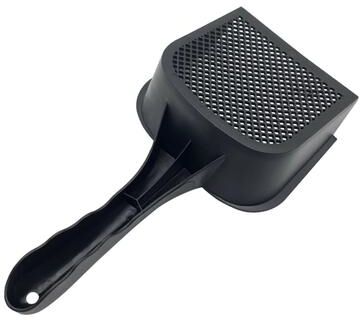
Uplift Picks Washable Hollow Cat Litter Scoop For Cleaner Faster Pet Waste Separation Washable Hollow Cat Litter Scoop For Cleaner Faster Pet Waste SeparationMake litter box cleanup quicker, cleaner, and easier to handle. This cat litter scoop features a hollow sifting design that helps separate clean litter from waste with less effort. Its thickened plastic build is made for routine bathroom and litter...63,48 $*Shipping: 0,00 $Secure redirect to the provider
-
What is recombination and genetic variability?
Recombination is the process by which genetic material is exchanged between two similar molecules of DNA, resulting in new combinations of genes. This process occurs during meiosis, the cell division that produces gametes (sperm and egg cells). Genetic variability refers to the diversity of genetic material within a population, which is influenced by factors such as recombination, mutations, and gene flow. Recombination plays a key role in generating genetic variability by creating new combinations of genes, which can lead to increased diversity and adaptation within a population. **
-
How does crossing-over influence recombination?
Crossing-over is a process during meiosis where homologous chromosomes exchange genetic material. This exchange of genetic material results in new combinations of alleles on the chromosomes, leading to genetic recombination. By shuffling genetic material between homologous chromosomes, crossing-over increases genetic diversity in offspring and can result in the creation of new combinations of traits. This process is essential for generating genetic variation within a population and plays a crucial role in evolution. **
-
How many offspring are produced through recombination?
Recombination typically results in two offspring being produced. This is because during recombination, genetic material from two parent organisms is combined to create a new individual with a unique combination of traits. This process allows for genetic diversity and variation within a population. **
-
When does disproportionation occur instead of recombination?
Disproportionation occurs when a single species is both oxidized and reduced in a reaction, leading to the formation of two different products with different oxidation states. This process typically occurs when the species involved can exist in multiple oxidation states and there is no suitable reactant available for recombination. In contrast, recombination occurs when two species with different oxidation states combine to form a single product with an intermediate oxidation state. **
* All prices are inclusive of VAT and, if applicable, plus shipping costs. The offer information is based on the details provided by the respective shop and is updated through automated processes. Real-time updates do not occur, so deviations can occur in individual cases. ** Note: Parts of this content were created by AI.