Buy ehescheidung.eu ?
We are moving the project
ehescheidung.eu .
Are you interested in purchasing the domain
ehescheidung.eu ?
domain@kv-gmbh.de · 0541-91531010
Buy ehescheidung.eu ?
What are separation methods?
Separation methods are techniques used to separate mixtures into their individual components. These methods rely on the differences in physical or chemical properties of the substances in the mixture. Common separation methods include filtration, distillation, chromatography, and evaporation. By using these methods, scientists and researchers can isolate and purify specific substances for further analysis or use. **
Which separation methods are these?
The separation methods mentioned are filtration, distillation, and chromatography. Filtration is a method used to separate solid particles from a liquid by passing the mixture through a filter medium. Distillation involves heating a liquid mixture to create vapor, which is then condensed back into a liquid form to separate the components based on their boiling points. Chromatography is a technique used to separate and analyze mixtures based on the different affinities of the components for a stationary phase. **

Similar search terms for Methods
Top-Angebote
Products related to Methods:
-
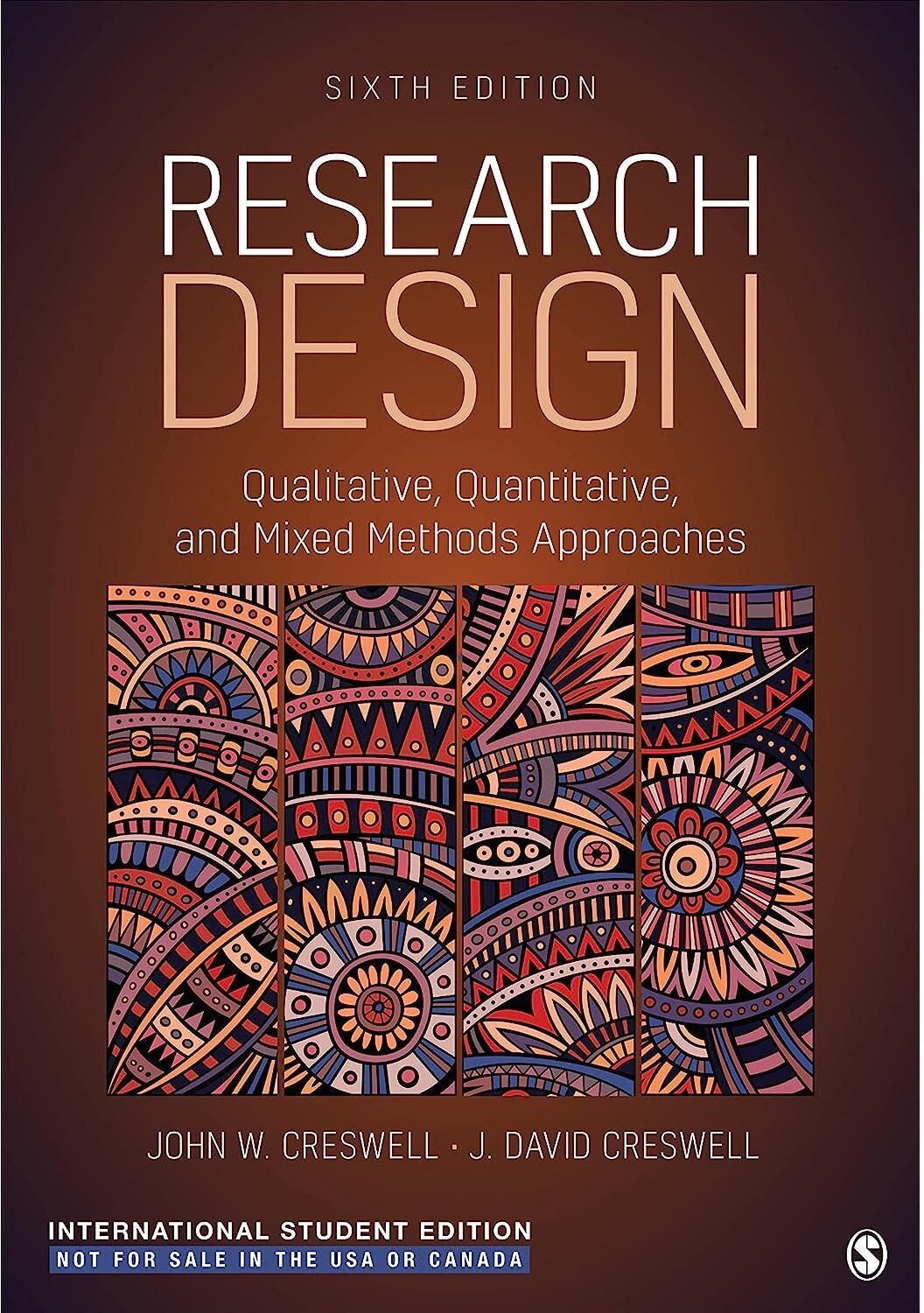
SAGE Publications Research Design - International Student Edition: Qualitative, Quantitative, and Mixed Methods ApproachesThe new edition of the best-selling text, Research Design: Qualitative, Quantitative, and Mixed Methods Approaches, continues the pioneering tradition of providing clear and concise instruction for understanding research and developing proposals for all three approaches. John W. Creswell and co-author J. David Creswell include a preliminary consideration of philosophical assumptions, a review of the literature, an assessment of the use of theory in research approaches, and reflections about the importance of writing and ethics in scholarly inquiry in a way that is applicable to all types of research. Key elements of the research process, giving specific attention to each approach. The book has been lauded for its language and tone, which are both accessible and inviting. It is a text that students keep and continue to use as a resource throughout their studies, once the specific class is over. The Sixth Edition includes more coverage of community-based participatory research, comparisons of qualitative and quantitative research, an expanded glossary with basic terms, updated examples of social, behavioural, and health research, new coverage of ethical requirements, updated APA 7th edition coverage, and additional exercises aimed at research projects.59,95 £*Shipping: 0,00 £Secure redirect to the provider
-
LightInthebox Men's Tactical Crossbody Chest Bag - Waterproof Multi-compartment Shoulder Backpack, Multiple Carrying Methods, Sporty Outdoor Style, Suitable for Travel, Hiking and Daily CommutingCategory:Crossbody Bag; Embellishment:Zipper,Multiple pockets; Gender:Men's; Type:Chest Bag; Occasion:Casual,Casual Daily,Outdoor; Material:Nylon; Closure Type:Zipper; Height:31.5; Function:Lightweight,Durable,Multi Carry; Pattern:Solid Color;...26,99 $*Shipping: 6,99 $Secure redirect to the provider



-
What are chemical separation methods?
Chemical separation methods are techniques used to separate different components of a mixture based on their chemical properties. These methods rely on differences in properties such as solubility, boiling point, or molecular size to separate the components. Common chemical separation methods include distillation, chromatography, and filtration. These techniques are widely used in various industries such as pharmaceuticals, food processing, and environmental science to isolate and purify different substances. **
-
What separation methods are these?
The separation methods shown in the images are filtration and distillation. Filtration is used to separate solid particles from a liquid by passing the mixture through a filter medium, while distillation is a process that separates components of a liquid mixture based on differences in boiling points. Both methods are commonly used in laboratories and industrial processes to isolate and purify substances. **
-
What are separation methods in chemistry?
Separation methods in chemistry are techniques used to separate mixtures into their individual components. These methods rely on differences in physical or chemical properties of the substances in the mixture. Common separation methods include filtration, distillation, chromatography, and extraction. By using these techniques, chemists can isolate and purify specific substances for further analysis or use. **
-
Which separation methods are used here?
The separation methods used here are filtration and distillation. Filtration is used to separate the solid impurities from the liquid mixture, while distillation is used to separate the components of the liquid mixture based on their different boiling points. These methods are effective in separating the different components of the mixture and obtaining pure substances. **

How do separation methods work in chocolate?
Separation methods in chocolate involve separating the cocoa solids from the cocoa butter. This process typically involves grinding cocoa beans into a paste, which is then pressed to extract the cocoa butter. The remaining solids are then further processed to create cocoa powder. This separation method allows for the customization of the chocolate's texture and flavor profile by adjusting the ratio of cocoa solids to cocoa butter. **
How do separation methods work in chemistry?
Separation methods in chemistry work by taking advantage of the differences in physical or chemical properties of substances to separate them from a mixture. These methods can include techniques such as filtration, distillation, chromatography, and extraction. By applying these methods, substances in a mixture can be isolated based on factors such as size, solubility, boiling point, or chemical reactivity. Overall, separation methods play a crucial role in analyzing and purifying substances in various chemical processes. **
Top-Angebote
Products related to Methods:
-
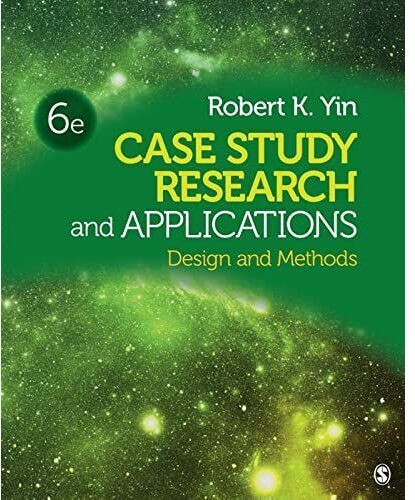
SAGE Publications Case Study Research and Applications: Design and MethodsRecognized as one of the most cited methodology books in the social sciences, the Sixth Edition of Robert K. Yin′s bestselling text provides a complete portal to the world of case study research. With the integration of 11 applications in this edition, the book gives readers access to exemplary case studies drawn from a wide variety of academic and applied fields. Ultimately, Case Study Research and Applications will guide students in the successful use and application of the case study research method.59,99 £*Shipping: 0,00 £Secure redirect to the provider
-
SAGE Publications Research Design - International Student Edition: Qualitative, Quantitative, and Mixed Methods ApproachesThe new edition of the best-selling text, Research Design: Qualitative, Quantitative, and Mixed Methods Approaches, continues the pioneering tradition of providing clear and concise instruction for understanding research and developing proposals for all three approaches. John W. Creswell and co-author J. David Creswell include a preliminary consideration of philosophical assumptions, a review of the literature, an assessment of the use of theory in research approaches, and reflections about the importance of writing and ethics in scholarly inquiry in a way that is applicable to all types of research. Key elements of the research process, giving specific attention to each approach. The book has been lauded for its language and tone, which are both accessible and inviting. It is a text that students keep and continue to use as a resource throughout their studies, once the specific class is over. The Sixth Edition includes more coverage of community-based participatory research, comparisons of qualitative and quantitative research, an expanded glossary with basic terms, updated examples of social, behavioural, and health research, new coverage of ethical requirements, updated APA 7th edition coverage, and additional exercises aimed at research projects.59,95 £*Shipping: 0,00 £Secure redirect to the provider
-
What are separation methods?
Separation methods are techniques used to separate mixtures into their individual components. These methods rely on the differences in physical or chemical properties of the substances in the mixture. Common separation methods include filtration, distillation, chromatography, and evaporation. By using these methods, scientists and researchers can isolate and purify specific substances for further analysis or use. **
-
Which separation methods are these?
The separation methods mentioned are filtration, distillation, and chromatography. Filtration is a method used to separate solid particles from a liquid by passing the mixture through a filter medium. Distillation involves heating a liquid mixture to create vapor, which is then condensed back into a liquid form to separate the components based on their boiling points. Chromatography is a technique used to separate and analyze mixtures based on the different affinities of the components for a stationary phase. **
-
What are chemical separation methods?
Chemical separation methods are techniques used to separate different components of a mixture based on their chemical properties. These methods rely on differences in properties such as solubility, boiling point, or molecular size to separate the components. Common chemical separation methods include distillation, chromatography, and filtration. These techniques are widely used in various industries such as pharmaceuticals, food processing, and environmental science to isolate and purify different substances. **
-
What separation methods are these?
The separation methods shown in the images are filtration and distillation. Filtration is used to separate solid particles from a liquid by passing the mixture through a filter medium, while distillation is a process that separates components of a liquid mixture based on differences in boiling points. Both methods are commonly used in laboratories and industrial processes to isolate and purify substances. **
Similar search terms for Methods
-
LightInthebox Men's Tactical Crossbody Chest Bag - Waterproof Multi-compartment Shoulder Backpack, Multiple Carrying Methods, Sporty Outdoor Style, Suitable for Travel, Hiking and Daily CommutingCategory:Crossbody Bag; Embellishment:Zipper,Multiple pockets; Gender:Men's; Type:Chest Bag; Occasion:Casual,Casual Daily,Outdoor; Material:Nylon; Closure Type:Zipper; Height:31.5; Function:Lightweight,Durable,Multi Carry; Pattern:Solid Color;...26,99 $*Shipping: 6,99 $Secure redirect to the provider
-
DK (Dorling Kindersley) RHS Pruning and Training & RHS Propagating Plants 2 Books Collection Set by DK - Hardback Gardening Guides for 800+ Plants & 1,500+ Propagation MethodsThis two-book RHS gardening set brings together two trusted horticultural guides, published in association with the Royal Horticultural Society. The set covers everything a gardener needs to shape, care for, and multiply their plants, including expert pruning and training advice for over 800 species and step-by-step propagation techniques for more than 1,500 garden plants. The books are ideal for both beginners and experienced gardeners, making this set a comprehensive and practical addition to any gardening library. RHS Pruning and Training is a complete, plant-by-plant guide to pruning over 800 shrubs, fruit bushes, ornamental trees, and climbing plants, with clear artwork and step-by-step photography. RHS Propagating Plants provides step-by-step propagation techniques for more than 1,500 garden plants. The books are in brand new condition, published by DK (Dorling Kindersley), and are available in hardback format.22,99 £*Shipping: 2,99 £Secure redirect to the provider
-
What are separation methods in chemistry?
Separation methods in chemistry are techniques used to separate mixtures into their individual components. These methods rely on differences in physical or chemical properties of the substances in the mixture. Common separation methods include filtration, distillation, chromatography, and extraction. By using these techniques, chemists can isolate and purify specific substances for further analysis or use. **
-
Which separation methods are used here?
The separation methods used here are filtration and distillation. Filtration is used to separate the solid impurities from the liquid mixture, while distillation is used to separate the components of the liquid mixture based on their different boiling points. These methods are effective in separating the different components of the mixture and obtaining pure substances. **
-
How do separation methods work in chocolate?
Separation methods in chocolate involve separating the cocoa solids from the cocoa butter. This process typically involves grinding cocoa beans into a paste, which is then pressed to extract the cocoa butter. The remaining solids are then further processed to create cocoa powder. This separation method allows for the customization of the chocolate's texture and flavor profile by adjusting the ratio of cocoa solids to cocoa butter. **
-
How do separation methods work in chemistry?
Separation methods in chemistry work by taking advantage of the differences in physical or chemical properties of substances to separate them from a mixture. These methods can include techniques such as filtration, distillation, chromatography, and extraction. By applying these methods, substances in a mixture can be isolated based on factors such as size, solubility, boiling point, or chemical reactivity. Overall, separation methods play a crucial role in analyzing and purifying substances in various chemical processes. **
* All prices are inclusive of VAT and, if applicable, plus shipping costs. The offer information is based on the details provided by the respective shop and is updated through automated processes. Real-time updates do not occur, so deviations can occur in individual cases. ** Note: Parts of this content were created by AI.